Halogen
Chlorine, Water Sensors

How the City of Lakewood, California implemented an innovative in-pipe sensor to monitor chlorine levels with zero water loss. An inspiring story for drinking water distribution companies in Europe.
In an era of increasing water scarcity and rising operational costs, utilities across Europe are looking for solutions that deliver both environmental and financial benefits. A recent case from the United States shows how one municipality achieved both — by rethinking how chlorine residuals are monitored in the drinking water network.
The City of Lakewood, in drought-prone Southern California, serves a population of 85,000 with drinking water sourced entirely from groundwater. Managing an ageing distribution network of nearly 290 kilometres of mains and 11 production wells, the city faced a pressing technical and environmental challenge: how to maintain accurate, real-time chlorine monitoring without generating thousands of litres of water waste.
The Problem: Water Lost to Monitoring
Until recently, Lakewood relied on traditional amperometric chlorine sensors and DPD testing methods, which required a continuous waste stream —amounting to a total of more than 260,000 litres of water per year. In a region where every drop of water counts, this practice was no longer sustainable.
Moreover, the existing approach offered no real-time visibility. Operators collected grab samples to verify chlorine residuals, but this left critical blind spots. Failures in chlorine injection — due to airlocks, pump issues, or leaks — might go undetected for hours, or longer.
The Solution: Real-Time, Zero-Waste Monitoring
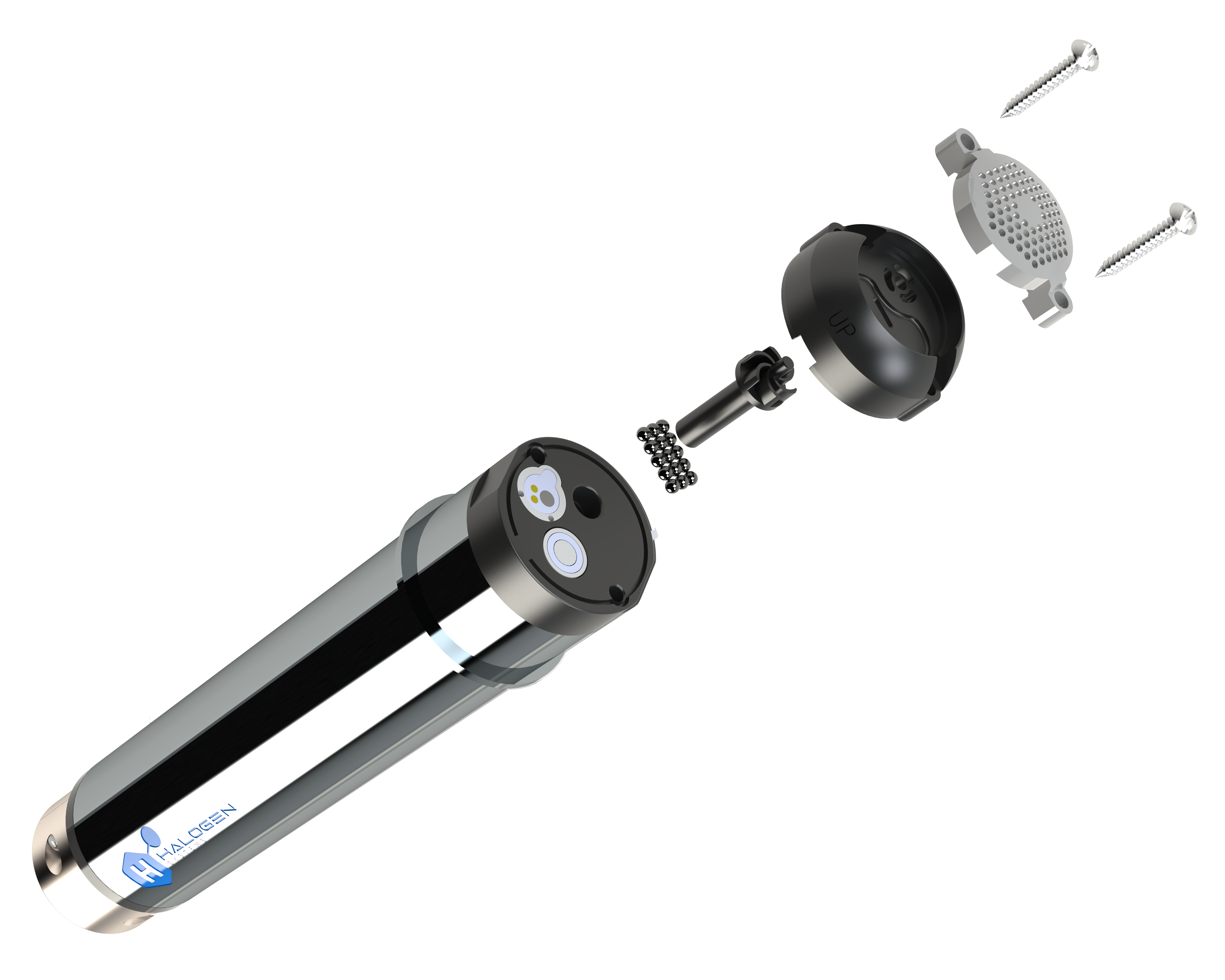
In 2021, the city began collaborating with Halogen Systems to trial a new type of chlorine sensor — the MP5 — initially developed for seawater applications. The first prototype used a flow-cell configuration, installed alongside an existing analyser for direct comparison.
The results were striking: the MP5 delivered measurements within 0.04 mg/L of the established sensor, without any need for calibration, flow control, or service during a six-month trial. Its self-cleaning, flow-independent design proved to be a significant operational advantage.
From Flow-Cell to In-Pipe Integration
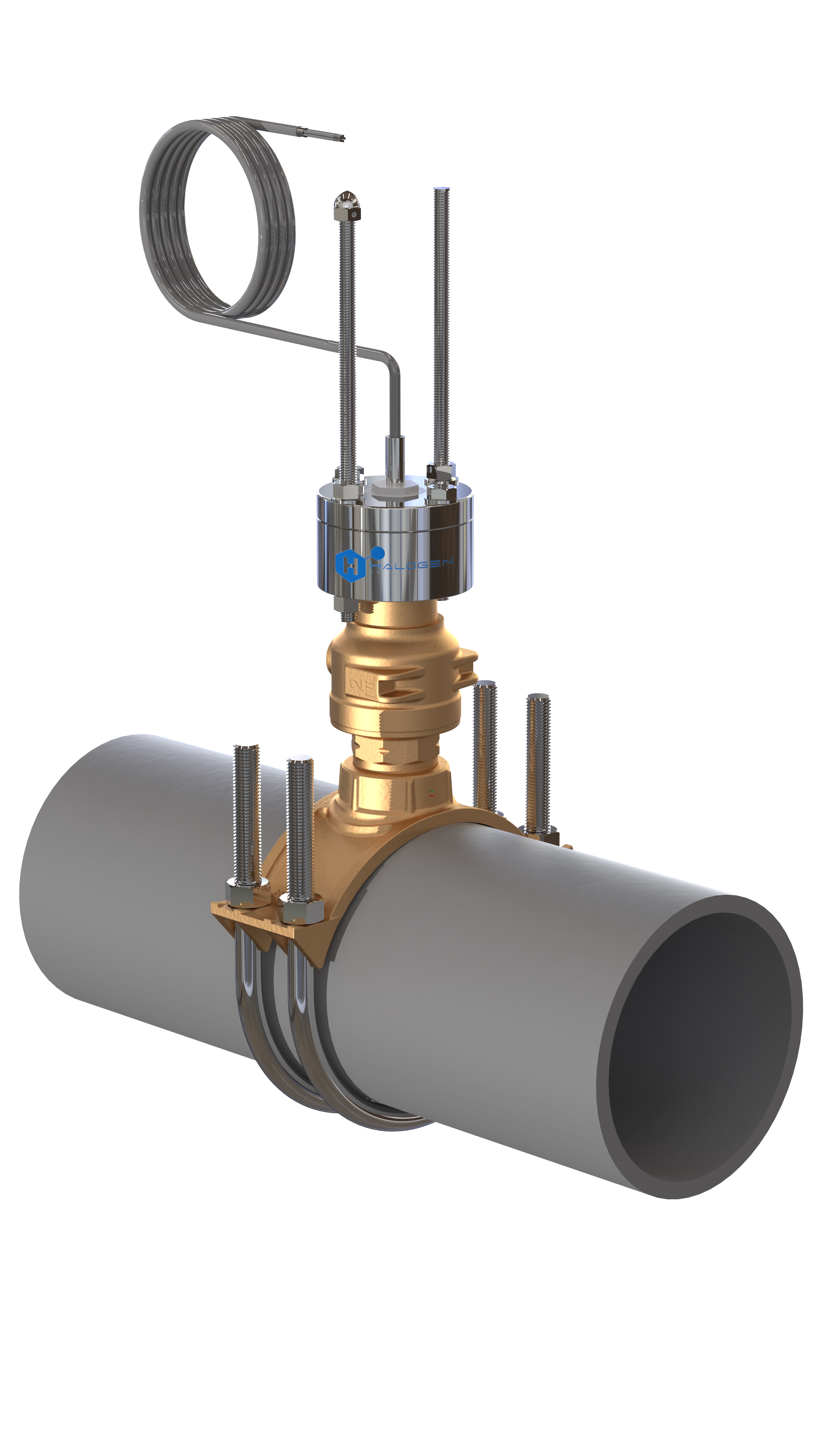
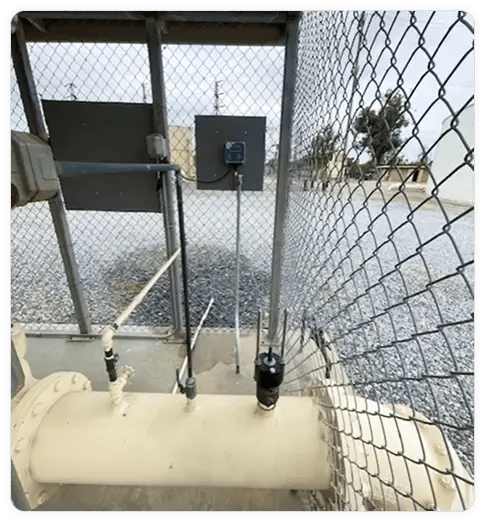
Encouraged by the performance, Lakewood moved to the wet-tap, in-pipe version of the MP5 once it received NSF/ANSI drinking water certification. This version could be installed directly into the pipe — ideal for sites with no sample line or drainage infrastructure.
At one unmonitored well location, the MP5 quickly detected a sudden drop in chlorine residuals and triggered an alert, allowing operators to intervene immediately. Without this sensor, under-chlorinated water could have continued entering the network unnoticed.
The original wet-tap MP5 has now been running continuously for over two years, without the need for recalibration. A new MP6 model was released by Halogen Systems in 2025, with the capability of measuring both free chlorine and monochloramine, providing accurate insights into water age within the system — a growing concern for many European networks with low turnover zones.
What’s in it for Europe?
While California’s droughts may seem distant, many European countries are also facing water stress, tighter environmental regulations, and growing expectations around operational transparency. Lakewood’s experience offers a blueprint for utilities seeking to modernise monitoring while aligning with sustainability goals.
By deploying a zero-waste, low-maintenance chlorine sensor, the city achieved:
A New Standard for Water Quality Monitoring?
European water companies increasingly face pressure to demonstrate both efficiency and environmental responsibility. The Lakewood case highlights how innovative sensor technology can deliver on both fronts.
Halogen Systems’ MP5 and MP6 sensors were successfully tested in challenging field conditions and are now commercially available in Europe.